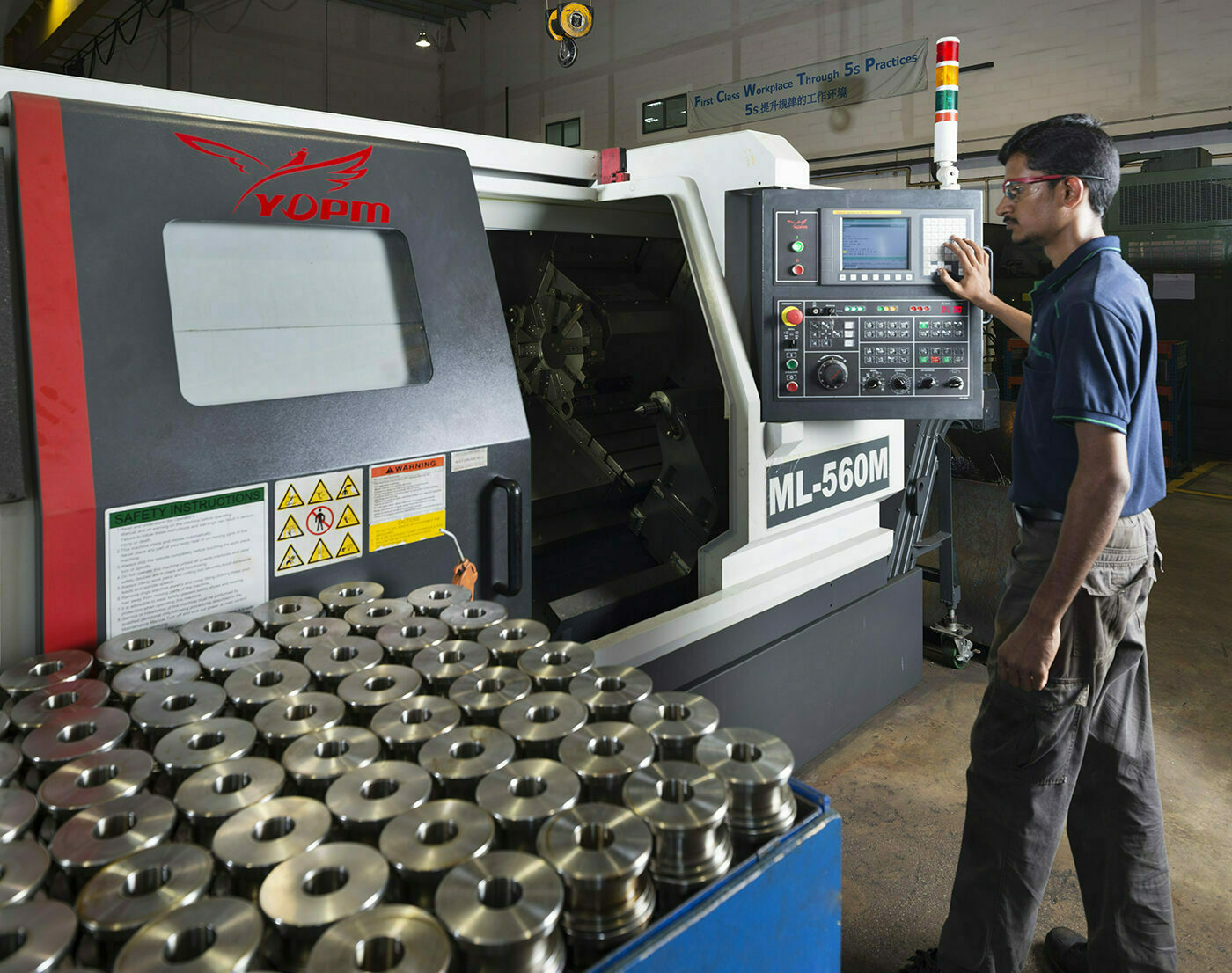
Mechanical systems are the behind-the-scenes champions of many applications across the industry, silently operating heavy-duty operations in construction, farming, industry, and mining projects. These strong mechanical devices change pressurized oil into accurate, linear movement, elevating, pushing, drawing, and aligning massive objects with control and reliability. While they may appear misleadingly simple from the exterior, the efficiency of a mechanical cylinder is the outcome of the perfect interaction of many core elements working in unison in ideal sync. Understanding these essential components and their roles is critical for any technician involved in design, operation, or repair of mechanical equipment. Hydraulic cylinder parts
Core Elements of a Hydraulic Cylinder and Why They Function
At the core of any mechanical cylinder lies the cylinder barrel, a carefully crafted housing that supports the key sliding elements. It acts as the primary structure of the unit and holds the pressurized oil that delivers power. Because it must handle extreme internal pressure and enable steady operation, the internal bore of the tube is carefully finished to tight tolerances.Inside this barrel sits the pressure plate, the active component that separates the inner area into separate pressure chambers. When controlled oil is sent to either side of the disc, pressure increases and moves the component along the axis of the tube. This movement is what ultimately delivers the strong, linear force that the system is designed to produce. The piston position and seal within the housing are essential for efficient pressure transfer and limited oil leakage.
Connected directly to the component is the piston rod, a reinforced alloy shaft that delivers the energy created within the unit to the external machinery. Whether pushing out to raise a massive object or retracting to reposition a part, the piston bar must be extremely tough and damage-resistant. Often chrome-plated or specially treated to limit oxidation and resistance, this rod ensures that the system can provide consistent performance under the most demanding environments. Hydraulic cylinder parts
How Understanding Hydraulic Parts Is Important More Than You Expect
Hydraulic actuators hold a critical function in countless heavy-duty uses, but their performance and service life rely on the condition of every core component. Knowing the jobs of the cylinder barrel, disc, rod, sealing elements, and additional elements allows engineers to diagnose problems early, schedule servicing on time, and make informed choices about fixes or upgrades. A worn shaft sealing ring might result in liquid leakage long prior to a major breakdown becomes clear, and detecting this early can save major delays and service expenses.Moreover, picking the right hydraulic unit for a particular job needs awareness of how these elements influence force, motion management, and strength. Whether you are selecting equipment for a infrastructure operation, repairing agricultural machinery, or troubleshooting plant processes, a strong knowledge of mechanical unit design helps support maximum efficiency.
As the backbone of so countless hydraulic applications, mechanical units need proper focus. By understanding the functions each component plays—from the strength of the piston bar to the accuracy of a small seal—you maximize the full power of your systems and protect its performance for years to come.
Find out more on - Hydraulic cylinder parts